
Understanding Truck Tire Care and Repair
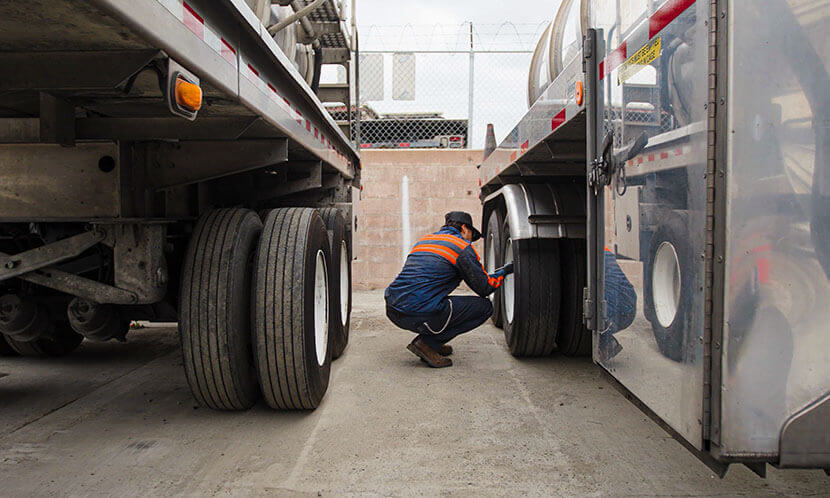
Truck tires carry substantial weight and face demanding road conditions, making proper inspection and timely attention essential for reliable commercial vehicle operation. For truck owners and fleet operators dealing with tire concerns, Truck Tire Repair Portland TN can provide practical support when a tire develops a puncture, loses pressure, or shows signs of damage. Tire problems can affect handling, braking, fuel efficiency, and overall vehicle performance, particularly when a truck is carrying a heavy load. Ignoring unusual tread wear, vibrations, or repeated pressure loss may allow a manageable issue to become more serious. Professional tire service can help identify the source of a problem and determine whether repair or replacement is appropriate. Regular inspections, proper inflation, and prompt attention to visible damage can also help operators keep their trucks ready for demanding transportation work.
Why Proper Tire Care Matters
Commercial truck tires experience constant contact with roads, heavy loads, changing weather, and long periods of operation. State Line Inspection and Repair can help truck owners address tire concerns before they develop into larger vehicle problems. Proper tire care begins with maintaining recommended inflation levels and checking for visible damage during routine inspections. Underinflation can contribute to uneven wear and increased heat, while overinflation can affect handling and tread contact. Operators should also look for cuts, cracks, punctures, bulges, and unusual tread patterns. Tire condition can change over time, so a single inspection does not replace regular monitoring. Keeping accurate service records can help operators track tire history and identify recurring concerns. Consistent attention to tire condition supports dependable truck operation and can help reduce unexpected interruptions caused by avoidable tire problems.
Common Causes of Truck Tire Problems
When a truck develops a tire issue, Truck Tire Repair may be needed for several different reasons. Road debris such as nails, screws, broken materials, and other objects can puncture a tire and cause gradual or sudden air loss. Potholes and rough road surfaces can also contribute to tire or wheel damage. Improper inflation, excessive loading, alignment problems, and uneven tread wear may create additional concerns over time. Tires can also become damaged through normal aging or repeated exposure to demanding operating conditions. A professional inspection can help determine whether a tire has a repairable problem or requires replacement. Drivers should not rely only on how a tire looks from a distance because some damage may not be immediately obvious. Addressing tire concerns early can help operators avoid more serious complications during a trip.
Recognizing Signs That a Tire Needs Attention
Truck drivers often notice changes in vehicle behavior before a tire problem becomes severe. State Line Inspection and Repair can provide professional assistance when unusual tire behavior suggests that inspection or service may be necessary. Warning signs can include repeated pressure loss, vibrations, pulling to one side, uneven tread wear, unusual noises, or visible damage. A tire that appears low should not simply be inflated repeatedly without determining why it is losing pressure. Recurring pressure loss can indicate a puncture, valve concern, wheel issue, or other problem that needs attention. Drivers should also pay attention to changes in handling, especially when carrying heavy loads. Reporting these observations to a repair professional can help with diagnosis. Prompt inspection may make it easier to address a developing problem before it creates a larger roadside interruption.
Understanding the Repair Process
When a tire requires attention, Truck Tire Repair can involve inspection, identification of the damaged area, and evaluation of the tire’s overall condition. A technician may examine the tread, sidewalls, valve area, and surrounding wheel components to understand the problem. Not every damaged tire can be safely repaired, and the location and severity of the damage are important factors. A professional may recommend replacement when the tire has significant structural damage, excessive wear, or another condition that makes continued use inappropriate. The repair process can also include checking inflation and confirming that the tire is properly fitted to the vehicle. Operators should provide information about when the problem started and whether the truck experienced an impact or unusual handling. Clear information can help technicians evaluate the situation more efficiently and recommend an appropriate solution.
Choosing Professional Tire Service
Selecting a dependable repair provider is an important part of maintaining commercial trucks. State Line Inspection and Repair can be considered by truck owners and fleet operators seeking professional inspection and tire service. Customers can provide details about the truck, tire size, symptoms, recent tire history, and the type of work the vehicle normally performs. This information can help technicians understand the circumstances and determine where an inspection should begin. It is also useful to ask questions about recommended repairs and whether other tires should be inspected at the same time. A professional evaluation can provide a clearer understanding of the tire’s condition instead of relying on guesswork. Maintaining a relationship with a dependable repair provider can make routine service easier to organize and help operators respond more efficiently when tire concerns appear.
Reducing Unexpected Tire Problems
Regular maintenance can help reduce the likelihood of certain tire emergencies, although no maintenance routine can prevent every unexpected issue. Truck Tire Repair may become necessary when a tire develops damage that cannot be safely ignored. Operators can reduce avoidable problems by checking inflation regularly, inspecting tread condition, avoiding excessive loads, and responding promptly to unusual handling or pressure changes. Tire rotation and alignment checks may also be appropriate depending on the vehicle and manufacturer’s recommendations. State Line Inspection and Repair can assist truck owners when professional attention is needed for tire related concerns. Preventive care can help identify developing issues before they become major problems and may support more predictable vehicle operation. For businesses that depend on trucks every day, maintaining tire condition is an important part of keeping vehicles ready for regular routes and demanding workloads.
Frequently Asked Questions
Q1. What are common signs of a damaged truck tire?
Ans. Common signs can include repeated air loss, uneven tread wear, visible damage, vibrations, unusual noises, and changes in vehicle handling.
Q2. Can every damaged truck tire be repaired?
Ans. No. Repairability depends on the location, severity, and type of damage, along with the overall condition of the tire.
Q3. Why is proper tire inflation important?
Ans. Correct inflation supports proper handling, tread contact, tire performance, and overall vehicle operation.
Q4. How often should truck tires be inspected?
Ans. Tires should be checked regularly, with inspection frequency based on the vehicle, workload, mileage, operating conditions, and manufacturer recommendations.
Q5. Should unusual tire vibrations be checked?
Ans. Yes. Unusual vibrations can indicate tire, wheel, alignment, or other vehicle concerns and should be evaluated by a qualified professional.
Conclusion
Truck tires play an important role in safe and dependable commercial transportation, making regular inspection and timely service essential for operators. Paying attention to pressure changes, tread wear, visible damage, and unusual handling can help identify concerns before they become more serious. For truck owners and fleet operators needing professional tire support, Truck Tire Repair Portland TN can provide a practical solution for addressing tire problems and maintaining dependable vehicle performance. State Line Inspection and Repair can support customers with professional inspection and repair services based on the condition and needs of their trucks. By combining routine tire checks with prompt professional attention, operators can help keep their vehicles prepared for demanding routes and reduce unnecessary interruptions caused by tire related problems.