
Travel Preparation Tips for Mission Visitors to Ivory Coast
Travelling to Ivory Coast for humanitarian work, NGO activities, or other mission-related purposes requires proper preparation. Before departure, visitors should arrange their travel documents, accommodation details, and visa application carefully. The Ivory Coast Mission eVisa provides an online application option for eligible travellers planning short-term mission visits.
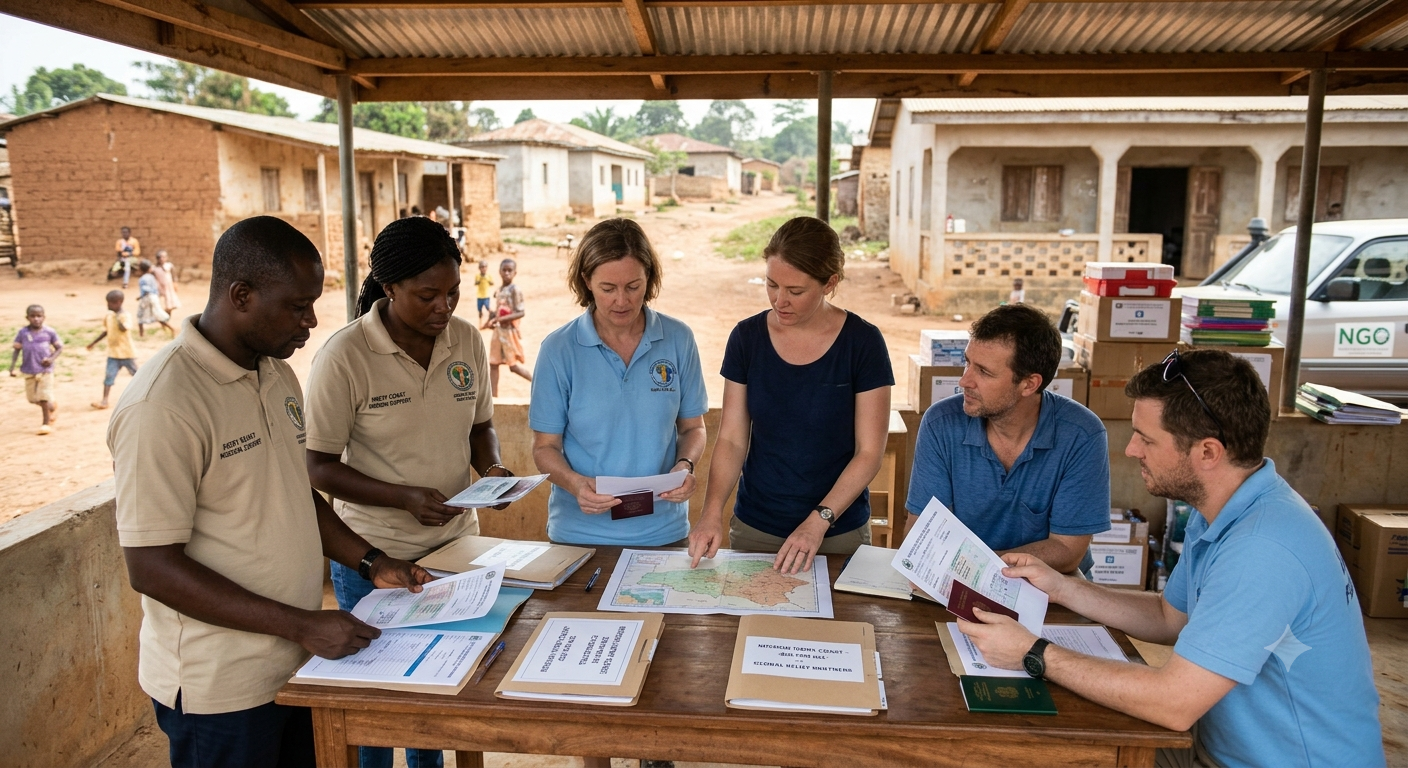
Understanding the Ivory Coast Mission eVisa requirements helps travellers prepare for their visit with confidence. Applicants should know the eligibility criteria, required travel documents, processing times, visa validity, online application steps, permitted activities, and payment procedure. Families travelling with children should also check their application requirements and complete the necessary preparations before departure.
How Long Does Ivory Coast Mission eVisa Processing Take?
Processing time is an important part of planning a mission visit to Ivory Coast. Applicants can choose from three processing options depending on how early they apply and how quickly they need their visa approval.
- Standard Processing (6–9 Working Days): This option is suitable for travellers who have enough time before departure and prefer to submit their applications well in advance.
- Rush Processing (4–7 Working Days): This option is helpful for applicants with upcoming travel plans who need their applications processed within a shorter timeframe.
- Super Rush Processing (3–5 Working Days): This is the fastest available option and may suit travellers with urgent mission visits or limited time before departure.
What Is the Validity Period of an Ivory Coast Mission eVisa?
The Ivory Coast Mission eVisa is valid for up to 90 days from the date of issue and allows multiple entries during this period. Travellers can stay for up to 90 days per visit, making it important to check the visa validity and permitted stay before planning their mission activities. Applicants should also ensure that their travel dates fall within the approved visa period to avoid any travel complications.
What Documents Are Required for an Ivory Coast Mission eVisa?
Preparing the necessary documents is an important part of the application process. Applicants should arrange clear digital copies before completing the online form.
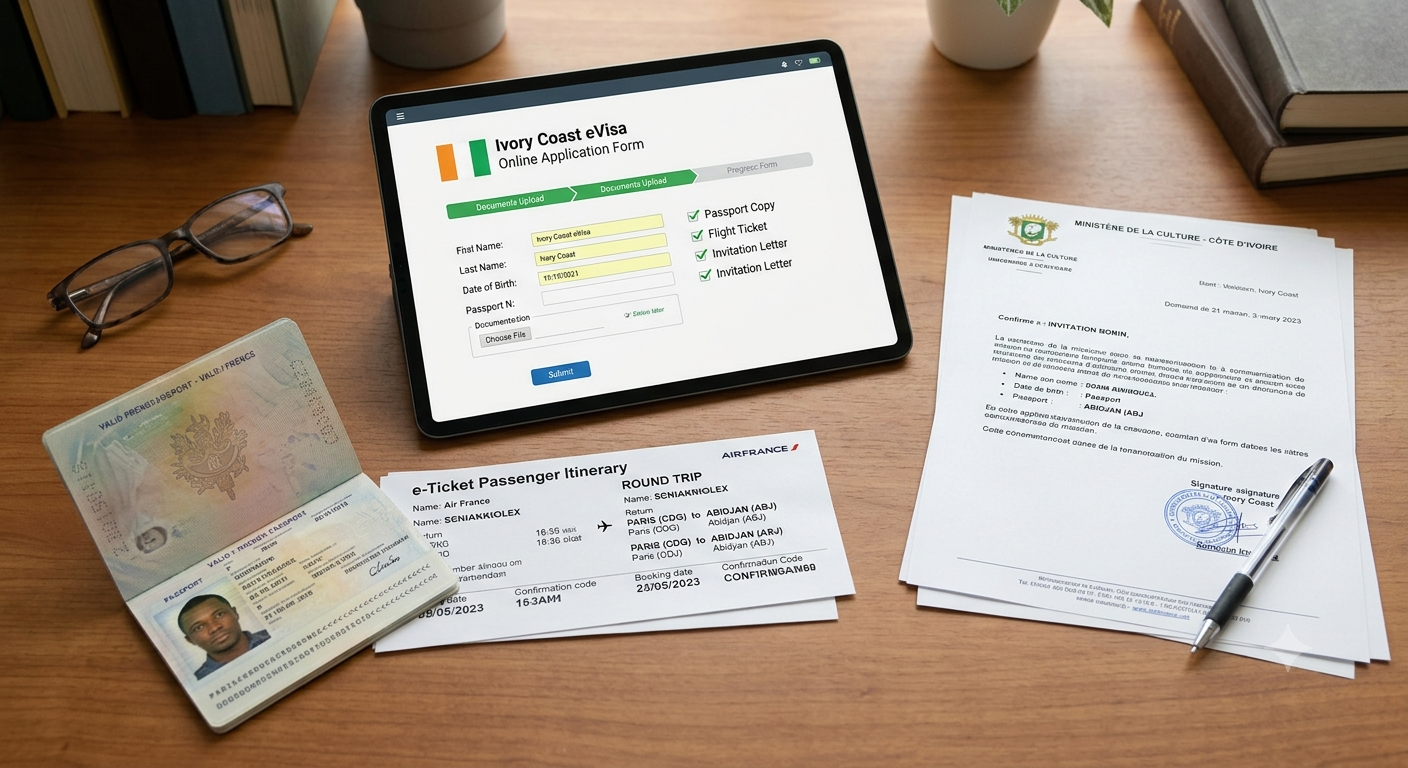
- Passport Bio Page: Upload a high-quality, coloured scanned copy of your valid passport bio page. Make sure your photograph, personal details, and passport number are clearly visible.
- Return Flight Ticket: Submit a confirmed return flight ticket showing the applicant’s name and travel details.
- Accommodation Certificate/Invitation Letter: Provide either a certificate of accommodation or an invitation letter issued by the host in Ivory Coast. This document must come from the host rather than the applicant.
How Can Travellers Apply for an Ivory Coast Mission eVisa Online?
The online application process allows applicants to submit their information and supporting documents digitally. Travellers can follow these steps:
- Complete the Application Form: Enter the required personal and passport information and select the Mission eVisa category.
- Upload Supporting Documents: Attach the passport bio page, return flight ticket, and accommodation certificate or invitation letter.
- Pay the Application Fee: Complete the payment using an accepted debit or credit card. A payment confirmation is sent to the registered email address.
- Wait for Approval: After the application has been reviewed and approved, the eVisa is delivered to the email address provided during registration.
Can Children Apply for an Ivory Coast Mission eVisa?
Yes, children can travel to Ivory Coast with their parents or legal guardians for mission-related visits, provided they meet the applicable visa requirements. Parents should ensure that the child’s passport details, travel information, and supporting documents are accurate and ready before applying. They should also check whether a separate application is required for each child and keep all approved travel documents available during the journey.
What Activities Are Permitted Under an Ivory Coast Mission eVisa?
The Ivory Coast Mission eVisa is intended for travellers visiting the country for short-term humanitarian, charitable, and mission-related activities. Visitors should ensure that their planned activities match the purpose mentioned in their visa application. Common activities may include:
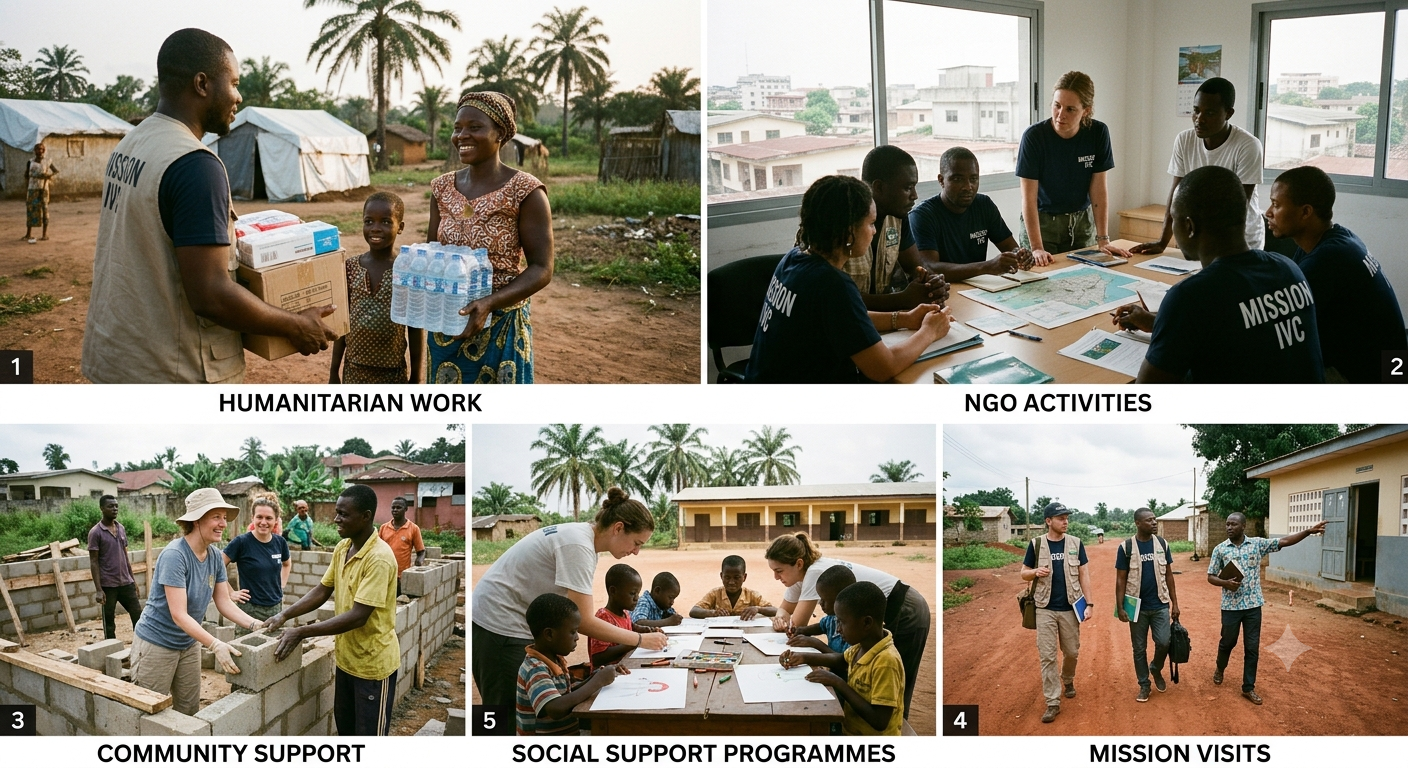
- Humanitarian Work: Participating in short-term activities that support local communities and people in need.
- NGO Activities: Visiting or coordinating with non-governmental organisations for mission-related programmes.
- Community Support: Taking part in charitable initiatives and community development activities.
- Mission Visits: Attending meetings and coordinating with host organisations for planned mission activities.
- Social Support Programmes: Participating in approved community welfare and assistance initiatives.
What Should Travellers Do After Receiving Their Ivory Coast Mission eVisa?
After receiving an approved Ivory Coast Mission eVisa, travellers should check the visa details and prepare their documents before departure. Completing a few important steps can help avoid problems during the journey.
- Check Personal Details: Verify that your name, passport number, and other information match your passport.
- Download the eVisa: Save the approved visa document to your phone or computer for easy access.
- Print a Copy: Carry a printed copy of your approved eVisa along with your passport.
- Keep Travel Documents Ready: Keep your confirmed return flight ticket and host-provided accommodation certificate or invitation letter accessible.
- Check Visa Validity: Confirm that your planned travel dates fall within the approved visa validity period.
What Travel Preparations Should Mission Visitors Complete Before Departure?
Good travel preparation involves more than obtaining visa approval. Visitors should communicate with their host organisation and confirm important arrangements before leaving for Ivory Coast.
- Confirm accommodation arrangements with the host.
- Recheck flight dates and return ticket details.
- Keep contact information for the hosting organisation accessible.
- Carry printed and digital copies of important documents.
- Organise personal belongings and travel essentials.
- Check that the planned visit fits within the visa validity and permitted stay.
How Can Applicants Avoid Delays in Their Mission eVisa Application?
Applicants can reduce the chances of delays in their Ivory Coast Mission eVisa application by checking their information and preparing all required documents before submission. A carefully completed application can help avoid common mistakes and make the process smoother. Here are some useful tips:
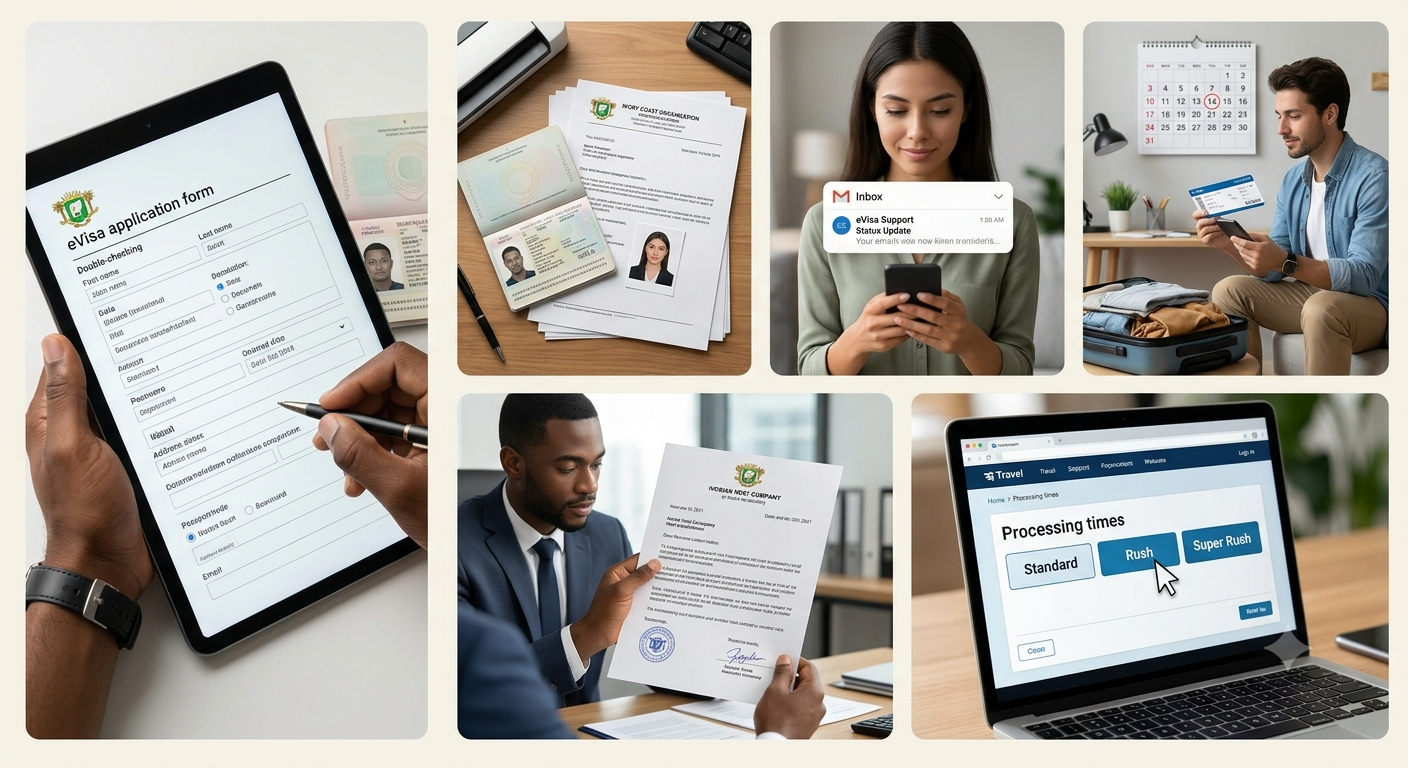
- Provide Correct Information: Enter personal and passport details exactly as they appear on the passport.
- Upload Clear Documents: Make sure the passport bio page and other supporting documents are readable and complete.
- Check the Invitation Letter: Ensure the accommodation certificate or invitation letter is provided by the host in Ivory Coast.
- Choose the Right Processing Option: Select Standard, Rush, or Super Rush processing according to your travel schedule.
- Apply in Advance: Submit the application early to allow sufficient time for processing.
- Check Your Email Regularly: Monitor your inbox and spam folder for application updates or requests for additional information.
Conclusion:
Preparing for a mission visit to Ivory Coast becomes easier when travellers understand the visa requirements and organise their documents in advance. From checking eligibility and arranging a host-provided invitation letter to selecting a suitable processing option, every step deserves attention. The Ivory Coast Mission eVisa offers an online application route for eligible visitors involved in short-term humanitarian and NGO activities. By submitting accurate information, checking the approved visa details, and confirming flight and accommodation arrangements, travellers can prepare for their visit with greater confidence and enjoy a more organised travel experience.