
How to Vet a Commercial Hydroseeding Company: Key Questions to Ask
Selecting a qualified contractor is one of the most important decisions when planning a large-scale turf or erosion-control project. The quality of the application can influence germination, coverage, soil protection, maintenance requirements, and the long-term appearance of the property. Commercial sites also have tighter schedules and more complex conditions than many residential lawns. For these reasons, property managers and construction professionals should evaluate a contractor’s experience, process, communication, and ability to handle the specific requirements of the site.
However, not every provider approaches a project in the same way. A reliable company should assess the property before recommending a seed mixture or application strategy. Commercial hydroseeding services can be useful for business properties, construction developments, roadside areas, parks, industrial sites, and other locations requiring efficient vegetation establishment. Asking detailed questions before signing a contract can help identify whether the contractor understands the site’s conditions and can provide a realistic plan rather than simply offering the lowest price.
Ask About Commercial Experience and Previous Projects
Start by asking how much experience the company has with projects similar to yours. Residential lawn installation and large commercial hydroseeding projects may involve very different equipment, logistics, preparation requirements, and scheduling challenges. Ask whether the contractor has completed projects involving comparable acreage, terrain, soil conditions, and intended vegetation. Experience with similar properties can provide useful insight into whether the company is prepared to manage the practical challenges your project may present.
It is also reasonable to request examples of previous work or references from commercial clients. Photographs can demonstrate application quality, but references may provide additional information about communication, scheduling, professionalism, and follow-up service. When reviewing examples, look for projects that resemble your own rather than focusing exclusively on impressive-looking lawns. A contractor with experience handling commercial sites, slopes, disturbed soil, or erosion concerns may be better positioned to develop an appropriate application plan.
Find Out How the Site Will Be Prepared
One of the most important questions to ask is what preparation the contractor expects before hydroseeding begins. Successful vegetation establishment depends heavily on soil conditions, grading, drainage, seed-to-soil contact, and the removal of materials that could interfere with growth. A company that immediately provides a price without asking about these factors may not be evaluating the project thoroughly. Professional contractors should identify preparation requirements and explain how those requirements affect the installation.
Ask whether the estimate includes grading, soil loosening, debris removal, topsoil, amendments, or other preparation services. If another contractor is responsible for site preparation, clarify the required condition of the finished seedbed before the hydroseeding crew arrives. This coordination can prevent delays and reduce the risk of applying seed to compacted or otherwise unsuitable ground. Proper preparation may require additional investment, but it can significantly influence the quality and consistency of the final vegetation.
Ask Which Seed and Materials Will Be Used
The seed mixture should be selected according to the property’s climate, soil, sunlight, drainage, expected traffic, and maintenance capabilities. Avoid accepting vague descriptions such as “premium seed” without asking which species or varieties are actually included. Different grasses have different growth patterns and environmental tolerances, so the cheapest or most familiar seed is not necessarily the right choice. A knowledgeable contractor should be able to explain why a particular blend is appropriate for the project.
You should also ask about the mulch, fertilizer, tackifiers, and other materials included in the hydroseeding slurry. For projects involving slopes or exposed soil, the protective properties of the mulch can be especially important. If you are considering Hydromulch North Texas for a regional project, ask how the selected materials are suited to local weather and growing conditions. A transparent contractor should explain the purpose of major materials instead of treating the slurry as a generic product that works identically on every property.
Understand the Application Process and Equipment
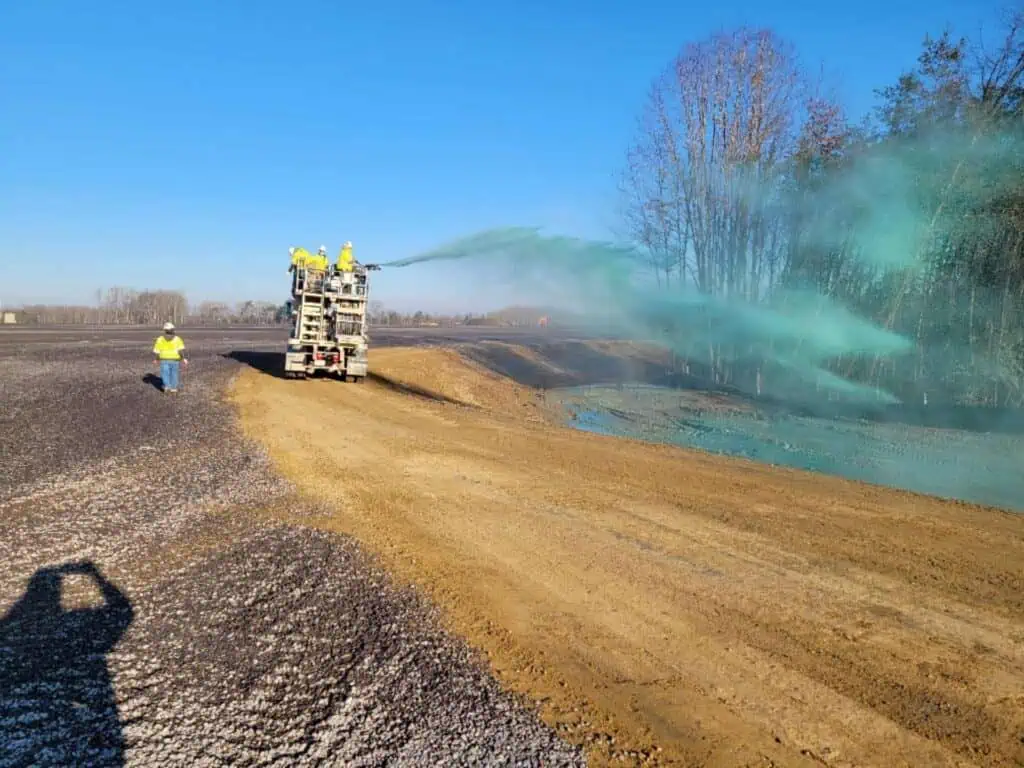
Ask the contractor to describe how the hydroseeding mixture will be applied across your property. Large commercial projects may require specialized hydroseeding equipment capable of covering extensive areas efficiently, while difficult terrain may require additional hoses, equipment positioning, or application techniques. Understanding the process can help you determine whether the company has the resources necessary for the size and complexity of your site. It can also reveal whether the contractor has considered access, staging, and construction-site logistics.
Equipment capacity matters because application consistency can affect the finished result. Ask whether the company owns its equipment or relies on rentals or subcontractors when appropriate, and determine whether the equipment is suitable for the acreage involved. This does not mean rented equipment is automatically a problem, but the contractor should have a clear plan for completing the work efficiently. The goal is to ensure the company has adequate resources rather than discovering equipment limitations after the project has started.
Discuss Pricing, Scope, and Potential Additional Costs
A professional estimate should provide more than a single total number. Ask for a breakdown of the major costs, including site preparation, seed, mulch, fertilizer, labor, equipment, mobilization, and any additional erosion-control measures. Understanding what is included makes it easier to compare competing proposals accurately. A lower initial quote may not actually be less expensive if important preparation or follow-up services are excluded.
Ask specifically about circumstances that could change the final price. Unexpected grading problems, poor soil conditions, limited site access, additional acreage, or specialized erosion-control requirements can affect the scope of work. These possibilities should be discussed before installation whenever reasonably possible. Clear pricing terms protect both parties and make it easier for property owners and project managers to maintain an accurate budget.
Ask About Irrigation, Maintenance, and Expected Results
Hydroseeding does not end when the slurry has been sprayed. Newly seeded areas generally require appropriate moisture during germination and early establishment, making irrigation planning an important part of the project. Ask the contractor how frequently the area should be watered and whether irrigation installation or management is included in the proposal. The recommendations should account for weather, soil type, seed selection, drainage, and the site’s specific conditions rather than relying on a one-size-fits-all schedule.
It is also important to establish realistic expectations for germination and coverage. Seed does not produce an instant lawn, and growth rates vary according to temperature, moisture, species, soil conditions, and other environmental factors. Ask what signs of successful establishment should be expected and how the contractor handles thin areas or unexpected problems. A reputable provider should explain both the potential benefits and limitations of hydroseeding instead of guaranteeing results that depend heavily on conditions outside the contractor’s control.
Verify Insurance, Credentials, and Professional Practices
Before hiring a commercial contractor, ask for evidence of appropriate business credentials and insurance coverage. The specific requirements can vary by location and project type, so property owners should confirm which licenses, registrations, permits, or insurance policies are applicable to their circumstances. General liability coverage and appropriate workers’ compensation protection can help reduce risks associated with work performed on commercial property. Verification is particularly important when the contractor will be operating heavy equipment or working around active construction areas.
You should also pay attention to how the company communicates during the estimating process. Does the representative answer questions clearly, inspect the site carefully, provide written information, and explain assumptions behind the proposal? Professionalism before the contract is signed can provide useful insight into how communication may work during the project. Choosing a contractor should involve more than comparing prices; reliability, transparency, technical knowledge, and accountability all contribute to a successful commercial installation.
Make the Final Decision Based on Value
After gathering estimates and answers, compare contractors using the complete scope of work rather than price alone. Look at their relevant experience, site-preparation plan, seed selection, materials, equipment, schedule, maintenance guidance, insurance, warranty or follow-up policies, and communication. A contractor who provides a detailed proposal and explains the reasoning behind recommendations may offer greater value than a company offering an unusually low price with limited information. The objective is to choose a provider capable of delivering an appropriate solution for the property’s actual needs.
Commercial hydroseeding services can provide an efficient way to establish vegetation across large areas, but the quality of the outcome depends on much more than the spraying process itself. Careful site evaluation, appropriate materials, professional application, irrigation, and ongoing maintenance all play important roles. Whether the project involves new commercial landscaping, construction-site stabilization, or Hydromulch North Texas applications, asking the right questions before hiring can reduce surprises and improve project planning. A qualified contractor should welcome these questions and provide clear, practical answers that help you make an informed decision.