
How to Plan Attic Insulation Upgrades Before Replacing Your HVAC System
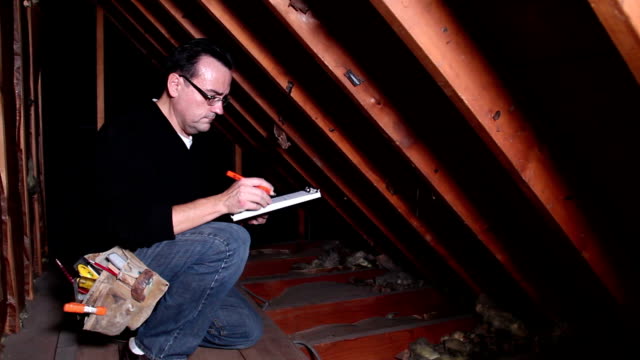
Replacing an HVAC system is a major home improvement project, especially in Florida, where air conditioning is needed for much of the year. Before installing a new heating and cooling system, it is worth checking the condition of your attic insulation. Poor insulation can allow heat to enter the home, making it harder to maintain a comfortable indoor temperature.
Attic insulation and HVAC performance are closely connected. If your home has insulation gaps, air leaks, or uneven coverage, a new HVAC system may still struggle to keep rooms comfortable. Planning insulation upgrades before replacing the equipment can help you make better decisions about your home’s energy use and indoor comfort.
Why Check Attic Insulation Before Replacing Your HVAC System?
Your HVAC system works to maintain the temperature you set on the thermostat. Attic insulation helps by slowing the movement of heat between the attic and the rooms below. When insulation is damaged, too thin, or poorly installed, more heat can pass through the ceiling during hot weather.
This can increase the cooling demand placed on your HVAC system. The system may need to run longer to reach the desired temperature, especially during Florida’s hottest months.
Before investing in new equipment, check whether your current attic insulation is doing its job. Improving the insulation may reduce the home’s heating and cooling demand, although the actual savings depend on the building, climate, equipment, and quality of the work.
A combined review of the attic and HVAC system can also help identify problems that equipment replacement alone may not solve.
1. Inspect the Existing Attic Insulation
Start by checking the current condition of the insulation. You may be able to spot visible problems from the attic access area, but a complete inspection may require a professional.
Look for these common signs:
- Thin or uneven insulation coverage
- Bare sections of the attic floor
- Insulation that has been compressed or moved
- Damp or stained material
- Signs of pests or nesting
- Gaps around pipes, wiring, and other openings
- Insulation that appears damaged or deteriorated
Pay attention to areas near the edges of the attic, ceiling penetrations, and places where framing or equipment makes installation more difficult. These areas can be missed during earlier insulation work.
Do not assume that older insulation must always be removed. If it is dry, clean, and in good condition, it may be possible to keep it and add more material where needed. However, wet, contaminated, or damaged insulation should be assessed before any new material is installed.
The goal is to understand what is already in place and whether it can support the home’s insulation needs.
2. Check for Air Leaks Around the Attic
Insulation slows heat transfer, but it does not always stop air from moving through gaps in the building structure. Air leaks can allow hot, humid air to enter the home or conditioned air to escape into the attic.
Common areas where air leaks occur include:
- Gaps around plumbing pipes
- Openings around electrical wiring
- Recessed light fixtures
- Ceiling access panels
- Gaps around ductwork
- Openings near walls and ceiling framing
These gaps may be small, but several leaks together can affect indoor comfort and energy use. They may also allow moisture to move into parts of the attic where it can create problems.
Air sealing is the process of closing suitable gaps and openings to reduce unwanted airflow. Homeowners planning insulation upgrades can learn more about air sealing services and how sealing appropriate openings can support the overall insulation system.
Air sealing should be completed with suitable materials and methods. Openings around heat-producing equipment, chimneys, and certain electrical components may require specific clearances or fire-rated products. Required ventilation openings should not be blocked.
3. Review Your HVAC System’s Current Performance
Before choosing a replacement system, consider how well your existing equipment performs. Problems such as uneven temperatures, long cooling cycles, or rooms that remain warm may point to issues with the HVAC system, insulation, ductwork, or a combination of these factors.
Ask yourself a few questions:
- Does the air conditioner run for long periods during hot weather?
- Are some rooms consistently warmer than others?
- Have energy bills increased without a clear reason?
- Does the system struggle to maintain the thermostat setting?
- Are there rooms that feel humid even when the air conditioner is running?
These signs do not automatically mean the insulation needs replacing. Dirty filters, leaking ducts, equipment problems, incorrect system sizing, and thermostat issues can also affect performance.
A qualified HVAC technician can inspect the existing equipment and help identify the likely causes. An insulation contractor can assess the attic separately, allowing you to understand which improvements may be needed before the new system is selected.
4. Inspect the Ductwork in the Attic
Many Florida homes have air-conditioning ducts running through the attic. Because attics can become very hot, poorly sealed or damaged ducts may lose conditioned air before it reaches the living spaces.
During your attic inspection, look for visible signs of ductwork problems, including:
- Loose connections
- Torn or damaged duct insulation
- Crushed or disconnected flexible ducts
- Gaps around duct joints
- Condensation or moisture marks
- Ducts that appear poorly supported
Do not climb over insulation or handle damaged ductwork if the area is unsafe or difficult to access. A qualified HVAC professional can inspect the system and recommend repairs.
Duct cleaning may also be useful when there is a specific reason for it, such as confirmed dust buildup or contamination. However, cleaning alone will not repair leaks, correct poor insulation, or fix an incorrectly sized HVAC system.
For more information, read this guide on how air duct cleaning can support HVAC efficiency. It can help you understand where duct cleaning fits into the wider process of maintaining an HVAC system.
5. Choose the Right Type of Attic Insulation
Once you understand the attic’s condition, consider which insulation material is suitable for the space. The right choice depends on the existing structure, available room, installation requirements, moisture conditions, and desired thermal performance.
Fiberglass Batt Insulation
Fiberglass batts are flexible sections of insulation designed to fit between framing members. They may be suitable for accessible areas with consistent spacing.
However, batts need to fit properly. Gaps, compression, or poorly fitted sections can reduce their effectiveness. They may also be difficult to install evenly around pipes, wiring, and other obstacles.
Blown-In Insulation
Blown-in insulation is installed using equipment that distributes loose insulation material across a suitable area. It can be useful for attic floors with many framing gaps or irregular sections.
The installation needs to provide even coverage and maintain the required clearances around fixtures and ventilation openings.
Spray Foam Insulation
Spray foam expands after application and can help seal certain gaps while providing insulation. Its suitability depends on where it will be installed and how the roof or attic assembly is designed.
Some spray foam applications require careful moisture-control planning and specific fire-protection measures. The material should be installed according to product instructions and applicable building requirements.
Do not choose an insulation material based only on its advertised performance or price. A professional assessment can help determine which option suits your attic and whether additional preparation is needed.
6. Understand How Insulation Affects HVAC Sizing
One important reason to inspect insulation before replacing an HVAC system is that insulation improvements can change the home’s heating and cooling demand.
If an older attic has poor insulation and several air leaks, the house may gain more heat than it would after those problems are corrected. Installing a new HVAC system without considering planned insulation upgrades could lead to equipment that is not well matched to the home’s updated needs.
An HVAC contractor should assess the home’s heating and cooling requirements before recommending replacement equipment. This assessment should consider factors such as the home’s size, windows, insulation levels, air leakage, local climate, and other relevant building features.
Avoid choosing a system based only on the size or capacity of the old unit. The previous equipment may have been incorrectly sized, or the home’s conditions may have changed since it was installed.
Ideally, complete or firmly plan the major insulation and air-sealing work before the final HVAC sizing decision. This helps the contractor account for the home’s expected condition after the improvements.
7. Address Moisture Problems Before Adding Insulation
Florida’s heat and humidity make moisture control an important part of attic planning. Before installing new insulation, check for signs of roof leaks, condensation, damp material, or other moisture-related damage.
Look for water stains on the roof framing, wet insulation, musty smells, and signs of mould. These problems may be caused by a roof leak, plumbing issue, air leakage, or an unsuitable ventilation arrangement.
Adding insulation over wet or damaged material does not solve the underlying problem. The source of moisture should be identified and corrected first.
It is also important to understand how the attic is designed. Some attics rely on ventilation, while others use an unvented roof assembly with specific requirements. Changes to insulation should be planned around the existing design rather than made without checking how the system works.
If there is visible mould, extensive water damage, or a persistent damp smell, consider a qualified professional inspection before proceeding.
8. Plan the Work in the Right Order
Coordinating attic insulation and HVAC replacement can help prevent repeated work and unnecessary costs. The exact order will depend on the condition of the home, but the following sequence provides a useful starting point.
Step 1: Arrange an Attic Inspection
Check the insulation, visible air leaks, ventilation, moisture conditions, and any signs of damage. Record the areas that need attention.
Step 2: Have the HVAC System Assessed
Ask an HVAC professional to inspect the current equipment and ductwork. Discuss the planned insulation improvements so they can be considered when determining the home’s heating and cooling requirements.
Step 3: Complete Necessary Repairs
Repair roof leaks, address moisture sources, correct damaged ductwork, and resolve electrical or other safety issues before insulation is installed.
Step 4: Seal Appropriate Air Leaks
Close suitable gaps around the ceiling and other areas where unwanted airflow occurs. Keep required ventilation openings and safety clearances in mind.
Step 5: Install or Upgrade the Insulation
Choose the material and coverage based on the attic’s design and the results of the inspection. Make sure the installation does not block access to components that require maintenance.
Step 6: Finalise HVAC Sizing and Installation
Once the home’s expected insulation and air-sealing condition is clear, the HVAC contractor can use that information when finalising the system recommendation.
In some homes, HVAC work may need to happen earlier because of equipment failure or urgent repairs. In that case, coordinate both contractors so the work can be planned around the home’s needs.
9. Consider Your Budget and Potential Energy Savings
Planning both projects together may help you understand the full cost of improving home comfort. However, the most suitable solution will depend on the condition of the existing insulation, the HVAC equipment, and the work required.
Your budget may need to cover:
- Insulation inspection
- Air sealing
- Removal of damaged or contaminated insulation
- Installation of new insulation
- Duct repairs or sealing
- Roof or moisture-related repairs
- HVAC equipment and installation
Ask each contractor to explain what is included in the estimate and whether any repairs are excluded. It is also useful to confirm whether the insulation work may affect the HVAC installation schedule.
Energy savings cannot be guaranteed because they depend on several factors, including the home’s current condition, weather, energy rates, and equipment efficiency. A professional assessment can help you prioritise improvements based on the problems found rather than spending money on work that may not be necessary.
10. Find Local Attic Insulation Help in Miami
Homes in Miami face high outdoor temperatures and humidity for much of the year. Attic insulation, air sealing, and ductwork condition can all affect how well a home maintains indoor comfort.
Before replacing your HVAC system, consider whether the attic needs additional insulation, repairs, or better air sealing. These improvements may help reduce unwanted heat transfer and support the performance of the new equipment.
Homeowners can learn more about attic insulation services in Miami when exploring local options. A site inspection can help identify the work that is most relevant to the property.
The best plan is one that considers the attic and HVAC system together. This allows the insulation, ductwork, and equipment to work toward the same goal instead of addressing each issue in isolation.
Final Thoughts
Planning attic insulation upgrades before replacing your HVAC system can help you make a more informed decision about home comfort and energy use. Insulation gaps, air leaks, moisture problems, and damaged ductwork may affect performance even when a new air conditioner is installed.
Start by inspecting the attic and reviewing the current HVAC system. Address repairs and air leaks, choose suitable insulation, and share the planned improvements with your HVAC contractor before the final equipment sizing decision.
Every home is different, so the right approach depends on the building’s condition and cooling needs. By coordinating the work and addressing the underlying problems first, homeowners can create a better foundation for their new HVAC system.