
Eyelid Bag Surgery Dubai: How Does Eyelid Anatomy Guide Surgical Planning?
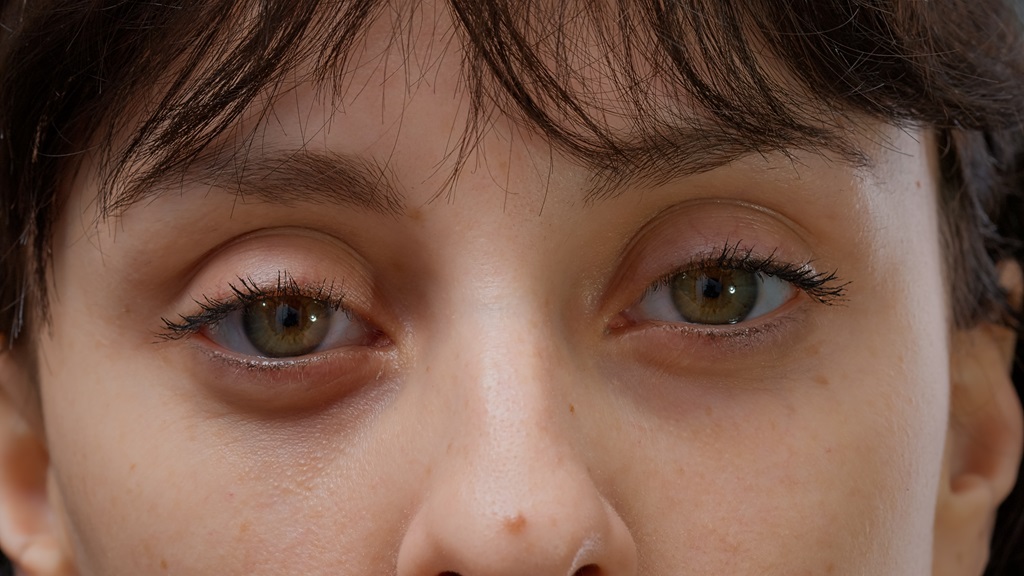 The eyelids are small but highly complex structures that play an important role in facial appearance and eye protection. Their skin, muscles, fat compartments, connective tissues, and supporting structures work together to create natural eyelid movement and contour. Because of this complexity, planning eyelid bag surgery requires more than simply identifying excess skin or visible puffiness.
When considering Eyelid Bag Surgery Dubai, an anatomical assessment helps the surgeon understand the individual characteristics of the upper and lower eyelids before developing a surgical plan. Factors such as skin quality, eyelid position, fat distribution, muscle structure, brow position, and the relationship between the eyelids and surrounding facial features can all influence the approach.
At Cornerstone, an individual assessment can help determine which anatomical features contribute to the appearance of eyelid bags and how these characteristics should be considered when planning treatment. The objective is to develop a surgical approach that corresponds with the patient’s existing eyelid structure and facial proportions.
Why Is Eyelid Anatomy Important in Surgical Planning?
Eyelid surgery involves structures that are closely connected. Changes to one part of the eyelid can influence its overall contour and relationship with neighbouring tissues.
The surgeon may assess:
- Upper and lower eyelid skin
- Orbicularis oculi muscle
- Fat compartments
- Eyelid crease
- Brow position
- Lower eyelid position
- Eye shape
- Supporting tissues
- Tear trough area
- Relationship between the eyelids and cheeks
Understanding these structures helps the surgeon determine which areas require attention and which should be preserved as part of the surgical plan.
How Is Upper Eyelid Anatomy Evaluated?
The upper eyelid consists of several layers and structures that contribute to its shape and movement. During an assessment, the surgeon may examine the amount and quality of upper eyelid skin and the position of the natural eyelid crease.
The relationship between the upper eyelid and the eyebrow is also important. A low or heavy brow can affect the appearance of excess upper eyelid skin, so the surgeon may consider the brow position as part of the overall facial assessment.
The goal is to understand whether the visible fullness is primarily associated with skin, underlying tissues, brow position, or a combination of anatomical factors.
How Does Excess Skin Influence the Surgical Plan?
Excess upper eyelid skin can create a heavier appearance around the eyes. However, the amount of skin present varies from person to person.
The surgeon can assess the quantity of skin and its distribution across the eyelid. The natural crease and the relationship between the eyelid and brow are also considered.
This assessment helps determine how the skin should be addressed while maintaining appropriate eyelid proportions.
For lower eyelids, skin assessment can be more complex because the surgeon also needs to consider the underlying fat compartments, muscle, and support structures.
What Role Does Eyelid Fat Play?
Fat is a natural component of the tissues surrounding the eye. Its distribution contributes to the shape and fullness of the eyelids.
Changes in the appearance of eyelid bags can be associated with the position or prominence of orbital fat. The surgeon may therefore evaluate where the fullness is located and how it relates to the surrounding structures.
Instead of viewing all under-eye fullness as the same, the assessment considers the specific anatomical pattern of the individual.
The planned approach can then be based on the location and characteristics of the tissue involved.
How Is Lower Eyelid Anatomy Different?
The lower eyelid has a particularly complex relationship with the cheek and surrounding facial structures. The skin, muscle, orbital fat, connective tissues, and supporting tissues all contribute to its appearance.
A lower eyelid assessment may examine the transition between the lower eyelid and upper cheek. The surgeon may also evaluate the tear trough and the distribution of fullness beneath the eye.
These details can influence whether the treatment plan focuses on skin, fat, or a combination of anatomical areas.
Why Is the Orbicularis Oculi Muscle Considered?
The orbicularis oculi is a muscle surrounding the eye that contributes to eyelid closure and facial expression. Its position and relationship with the skin and underlying tissues are relevant when planning eyelid surgery.
The surgeon may evaluate the appearance and structure of this muscle during the examination. Understanding its anatomy helps inform the surgical approach and the relationship between the eyelid and surrounding tissues.
Because eyelid movement is closely connected with the underlying muscle, anatomical planning considers both appearance and function.
How Does the Eyelid Crease Influence Planning?
The natural upper eyelid crease contributes to the appearance of the eye. Its position can vary according to individual anatomy.
During surgical planning, the surgeon may assess the existing crease and its relationship with the eyelid skin. This can help guide the design of the treatment and the positioning of any planned incision.
The objective is to work with the patient’s existing eyelid anatomy rather than applying an identical design to every patient.
How Does Brow Position Affect Eyelid Assessment?
The eyebrows and upper eyelids work together to frame the eyes. Brow position can therefore influence how much upper eyelid skin is visible.
A patient with a lower brow may have a different appearance of upper eyelid fullness compared with someone whose eyebrows sit higher.
For this reason, the surgeon may examine the brow position as part of the overall facial assessment. This helps distinguish the contribution of the eyebrow from the contribution of the eyelid itself.
How Does Eye Shape Influence Surgical Planning?
Eyes vary considerably in shape and size. Some patients have more visible upper eyelid space, while others have a naturally smaller visible eyelid area.
The surgeon may assess the eye opening, eyelid contours, and relationship between the upper and lower eyelids.
Eye shape is important because the surgical plan needs to correspond with the patient’s existing anatomy. The same amount of tissue removal or alteration may produce different visual effects depending on the individual’s eyelid structure.
Why Is Lower Eyelid Support Evaluated?
The lower eyelid is supported by several anatomical structures that help maintain its position against the eye. The surgeon may evaluate the position and characteristics of the lower eyelid as part of the consultation.
This can include observing the eyelid at rest and during different facial movements. The relationship between the lower eyelid and cheek may also be examined.
Understanding these features allows the surgeon to incorporate the existing support and anatomy into the surgical plan.
How Does the Tear Trough Affect Eyelid Bag Appearance?
The tear trough is the area extending from the inner corner of the eye toward the cheek. Its depth and transition can affect how the under-eye area appears.
A patient may have visible under-eye fullness alongside a depression beneath the lower eyelid. The contrast between these areas can make the transition more noticeable.
During assessment, the surgeon may examine the relationship between the lower eyelid fat and the tear trough. This provides additional information when considering the appropriate surgical approach.
How Are Facial Proportions Considered?
The eyelids do not exist independently from the rest of the face. Their appearance is influenced by the forehead, eyebrows, nose, cheeks, and overall facial structure.
A surgeon may therefore evaluate the eyelids as part of the wider facial anatomy. This can help determine how the eyelid contours relate to the surrounding features.
Considering facial proportions can also help establish a treatment plan that is tailored to the patient’s individual appearance.
How Does Skin Quality Affect Planning?
Eyelid skin is among the thinnest skin on the body. Its thickness, elasticity, and texture can vary between individuals.
During consultation, the surgeon may examine the quality and distribution of the eyelid skin. This can help determine how much skin is present and how it contributes to the overall appearance.
Skin quality is considered alongside the underlying structures rather than being evaluated independently.
How Are Upper and Lower Eyelids Assessed Together?
Although upper and lower eyelid surgery can be performed separately, the two areas are visually connected.
The surgeon may assess the complete eye region to understand the relationship between upper eyelid skin, lower eyelid fullness, brow position, and cheek contours.
A combined assessment can help create a coherent treatment plan when more than one area is being considered.
What Happens During an Eyelid Surgery Consultation?
A consultation provides an opportunity to evaluate the eyelid anatomy in detail. The surgeon may begin by discussing the patient’s concerns and desired changes before carrying out a physical examination.
The assessment may include:
- Examination of the upper eyelids
- Examination of the lower eyelids
- Assessment of skin quantity and quality
- Evaluation of eyelid fat distribution
- Assessment of the orbicularis oculi muscle
- Examination of the natural eyelid crease
- Evaluation of brow position
- Assessment of eye shape and eyelid position
- Examination of the lower eyelid and cheek relationship
- Discussion of the proposed surgical approach
Photographs or other clinical records may also be used to support the planning process.
How Can Photography Support Eyelid Assessment?
Clinical photography can provide useful reference points when assessing facial proportions and eyelid anatomy. Different views may show the upper and lower eyelids from several angles.
Photographs can help the surgeon compare the two sides of the face, evaluate eyelid contours, and document the patient’s baseline appearance.
The images may also support discussions during the consultation by allowing the patient and surgeon to review the anatomical features that are being considered.
How Does Individual Anatomy Determine the Surgical Approach?
Not every patient with eyelid bags has the same underlying anatomy. One person may have more visible upper eyelid skin, while another may have more noticeable lower eyelid fullness.
Some patients may have a combination of skin, fat, muscle, and facial contour characteristics.
The surgeon therefore considers the complete anatomical picture before deciding how the procedure should be planned. The number and location of structures being addressed can vary from one patient to another.
This personalised approach allows the treatment plan to reflect the patient’s individual eyelid characteristics.
How Is Eyelid Surgery Designed Around Natural Facial Features?
A successful treatment plan begins with understanding the patient’s existing facial anatomy. The surgeon can consider the natural eyelid crease, brow position, eye shape, cheek contours, and relationship between the upper and lower eyelids.
The design is then developed around these characteristics rather than using a universal template.
This can be particularly important when planning visible changes around the eyes because even small differences in eyelid proportions can affect the overall appearance of the face.
Understanding Eyelid Bag Surgery Cost in Dubai
The price of eyelid surgery varies according to the individual treatment plan. Eyelid Bag Surgery Cost in Dubai may depend on factors such as whether the upper or lower eyelids are being treated, the anatomical complexity of the case, the surgical approach, and whether more than one area is included.
A personalised consultation is therefore important when discussing cost. The surgeon can assess the eyelid anatomy and explain which aspects of treatment are relevant to the individual case.
Patients can also discuss the treatment stages and what is included in the quoted cost during their consultation.
Why Is a Detailed Anatomical Assessment Important?
The eyelid region contains multiple structures that work together. A detailed anatomical assessment helps the surgeon understand the contribution of each structure to the patient’s appearance.
Rather than focusing solely on visible eyelid bags, the consultation can examine the skin, fat, muscle, crease, brow, lower eyelid support, tear trough, and surrounding facial features.
This provides a more complete foundation for surgical planning.
Conclusion
Eyelid anatomy plays a central role in planning eyelid bag surgery. During an Eyelid Bag Surgery Dubai consultation, the surgeon may evaluate the skin, eyelid crease, fat compartments, orbicularis oculi muscle, brow position, eye shape, lower eyelid support, tear trough, and relationship between the eyelids and cheeks.
These anatomical details help determine how the treatment should be approached and allow the surgical plan to be tailored to the individual. At Cornerstone, a comprehensive assessment can provide the foundation for discussing the appropriate surgical approach and expected treatment process.
Understanding how eyelid anatomy guides planning can help patients approach their consultation with clearer expectations and a better understanding of why individual assessment is essential.
FAQs
What is eyelid anatomy?
Eyelid anatomy includes the skin, muscles, fat compartments, connective tissues, eyelid crease, supporting structures, and surrounding tissues that contribute to eyelid shape and movement.
Why is eyelid anatomy assessed before surgery?
Anatomical assessment helps the surgeon understand which structures contribute to the appearance of eyelid bags and develop an individual surgical plan.
How does upper eyelid skin affect surgery?
The amount, position, and quality of upper eyelid skin can influence the surgical design and how the treatment is planned around the natural eyelid crease.
What is the role of eyelid fat?
Orbital fat contributes to the fullness and contour of the eyelid region. Its location and distribution may be evaluated when planning eyelid bag surgery.
Is the brow considered during eyelid surgery planning?
Yes. Brow position can influence the appearance of upper eyelid skin, so the surgeon may assess the brow and eyelid together.
Does eye shape affect eyelid surgery planning?
Yes. Individual eye shape and eyelid proportions can influence how the treatment is designed.
Why is the lower eyelid different from the upper eyelid?
The lower eyelid has a complex relationship with the cheek, orbital fat, muscle, skin, and supporting tissues. These structures are considered when planning treatment.
What is the orbicularis oculi muscle?
The orbicularis oculi is a muscle surrounding the eye that contributes to eyelid closure and facial expressions. Its anatomy can be considered during eyelid surgery planning.
What is the tear trough?
The tear trough is a depression extending from the inner corner of the eye toward the cheek. Its relationship with lower eyelid fullness can be evaluated during consultation.
Does skin quality affect eyelid surgery planning?
Yes. The thickness, elasticity, and distribution of eyelid skin can provide information that helps guide the surgical plan.
Are upper and lower eyelids evaluated separately?
They can be assessed separately, but the surgeon may also evaluate their relationship because both areas contribute to the overall appearance of the eye region.
What happens during an eyelid bag surgery consultation?
The surgeon discusses the patient’s concerns, examines the eyelids and surrounding facial structures, evaluates anatomy, and develops an individual treatment plan.
Are photographs used for eyelid surgery planning?
Clinical photographs may be used to document the baseline appearance and assess eyelid proportions, symmetry, and facial features.
Does facial structure influence eyelid surgery?
Yes. The relationship between the eyelids, eyebrows, cheeks, forehead, and other facial features can be considered during treatment planning.
What factors affect Eyelid Bag Surgery Cost in Dubai?
Cost may depend on the areas being treated, surgical approach, anatomical complexity, and whether upper and lower eyelid procedures are combined.
Can eyelid surgery planning be personalised?
Yes. The surgical plan can be developed according to the patient’s individual eyelid anatomy, facial proportions, treatment goals, and the structures contributing to the appearance of the eyelids.
How do I know whether my upper or lower eyelids require treatment?
An examination by a qualified surgeon can determine which anatomical areas contribute to the concerns being addressed and whether upper, lower, or combined eyelid treatment is appropriate.
Why is a complete eye-area assessment important?
The appearance of the eyelids is influenced by several connected structures. Assessing the complete eye area allows the surgeon to consider these relationships when developing the treatment plan.