
Blockchain SEO: Make Product Docs Easier to Find
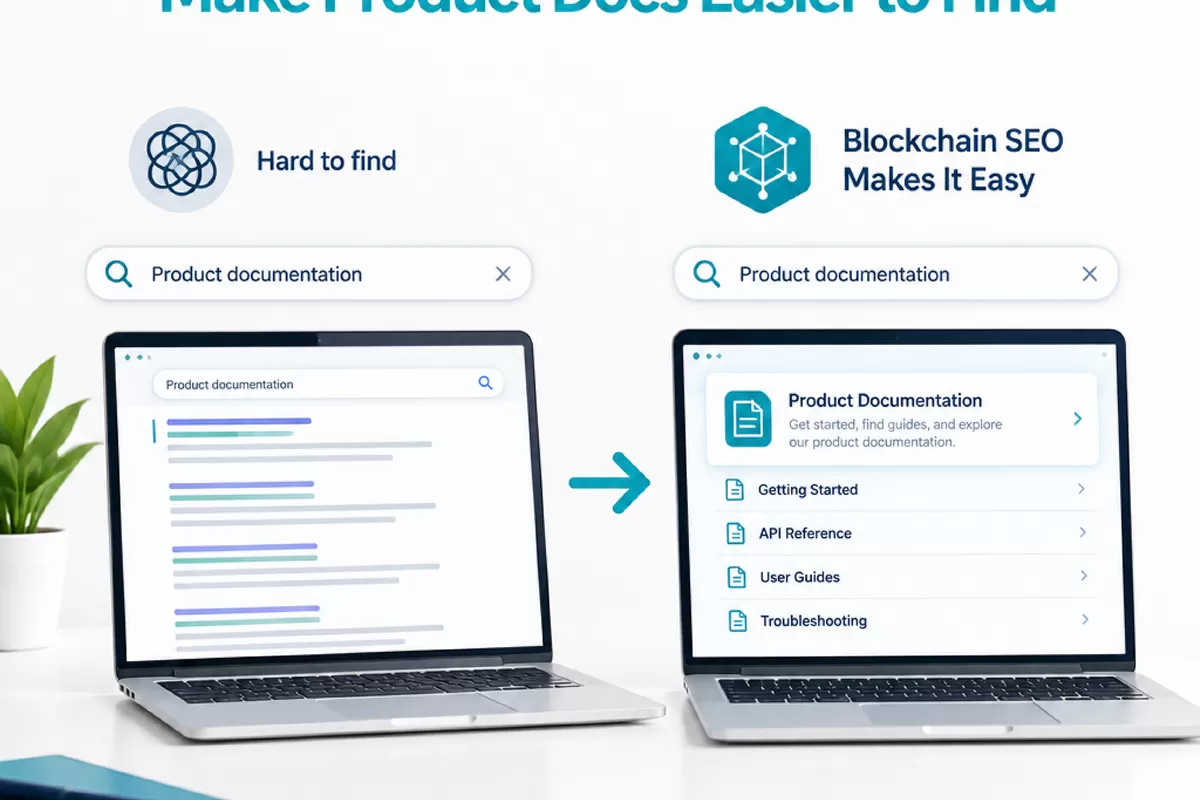 Blockchain products often ask users to understand unfamiliar terms before they can decide whether a tool fits their needs. In the United States, a potential user might search for a plain-language explanation of a wallet, then need setup steps, network details, or troubleshooting guidance. If those answers are scattered across a blog, product pages, and documentation, searchers can lose the thread. Blockchain SEO can help teams make the path from first question to useful product detail easier to find and follow.
The goal is not to turn every document into a landing page. It is to understand what readers need at each stage, explain concepts accurately, and connect educational content to documentation that answers the next question. Done well, this gives organic visitors a clearer route to evaluate a product without hiding technical detail or overstating what it does.
Why blockchain SEO depends on clear explanations
Searchers do not all arrive with the same level of knowledge. Someone exploring a blockchain product may first ask what a term means, how a process works, or what a tool is designed to do. A developer may instead need an API reference or a precise explanation of supported networks. These are different information needs, even when they concern the same product.
Start by listing the questions a real user might ask before and after encountering the product. For example, someone researching a self-custody wallet may want to understand what self-custody means, how recovery works, and what steps are required to connect to a network. Keep explanations tied to the product’s actual capabilities. If an answer depends on a specific wallet setup or network, say so rather than presenting a general statement as universal.
This distinction helps teams decide which format belongs where:
- Introductory education: Explain concepts and terminology for readers who are still learning the basics.
- Product education: Describe the problem a feature addresses and what a user can expect it to do.
- Documentation: Provide exact procedures, technical requirements, configuration details, and troubleshooting steps.
Each format should answer its main question without forcing readers to decode jargon. Define technical terms the first time they appear, use the same names for features throughout the site, and distinguish between what the product does and what the underlying blockchain protocol does. That last point matters: a product should not be credited with network behavior it does not control.
Connect educational content with product documentation
A useful content path moves from a broad question toward a specific task. An introductory article can explain a concept, then point to a product page that shows how the product relates to it. From there, a clearly labeled link can take readers to the relevant documentation. The connection should be specific: “Read the wallet setup steps” tells a reader more than “Learn more.”
Plan these connections before publishing. For each educational page, identify the next likely question and the best existing destination for it. If the next step is missing, decide whether the answer belongs in the article, a product page, or the documentation. Avoid copying large sections word for word across all three. Repetition can make it harder for readers to tell which page contains the authoritative instructions, and it creates extra work when product details change.
Documentation also needs a sensible route back to context. A technical page can briefly state who the procedure is for and link to a relevant product explanation. It should not interrupt a task with unrelated marketing copy. For a reader who arrives directly from search, that small amount of context can clarify whether the instructions apply to their use case.
As part of a wider search strategy, teams can connect content planning with technical fixes and measurement. SEO Deep Insights describes its blockchain seo work as including content that ranks and technical fixes. For an in-house team, the practical lesson is to check both sides: useful information needs a clear search entry point, and the site needs to make that information accessible to users and search engines.
For U.S. audiences, use examples and terminology that fit the intended reader, but do not assume every visitor shares the same level of technical knowledge. A product used by developers, businesses, and individual users may need separate explanations for each audience. Keep those pages distinct when the questions differ, and avoid creating near-identical pages just to target slight wording variations.
Audit the path, then verify what works
Review the experience from the search result to the answer. Choose a handful of important topics and follow the path a new visitor would take. Can they recognize the page’s purpose from its heading? Does it answer the question promised by the title? Is the next step visible without scrolling through unrelated details? Do the documentation steps match the current product interface?
Check these details during the review:
- Use search performance data to find pages that receive impressions for questions the content only partly answers.
- Check that important documentation pages can be crawled and indexed when they are intended to appear in search.
- Review internal links for vague labels, broken destinations, and links that send readers to a general page instead of the relevant instructions.
- Confirm that product names, feature descriptions, and technical terms are consistent across education pages and docs.
- Ask someone outside the product team to complete a common task using the documentation. Note where they pause or need clarification.
Search metrics can show whether pages are being discovered and which queries lead people to them. They cannot, by themselves, confirm that an explanation is safe or accurate. Have product and technical reviewers check instructions, especially when a mistake could affect access to funds, security settings, or transaction behavior. Blockchain content can touch financial decisions, so educational material should avoid personalized financial advice and should state relevant limits plainly.
Common problems include sending every reader to a generic homepage, publishing documentation with no introductory context, and letting old instructions remain indexed after a product change. Set an owner and review interval for high-priority pages. When a feature or procedure changes, update the documentation first, then check linked educational pages and their search snippets for outdated claims.
A strong starting point is a small, traceable content map: list the questions users ask, the page that answers each one, and the next useful destination. Publish or revise the pages with the clearest gaps first. Then monitor search visibility, page engagement, and support questions together. Search data can reveal discovery issues; feedback from users can reveal where the explanation still falls short. That combination makes blockchain SEO more useful to the people trying to understand and use the product.